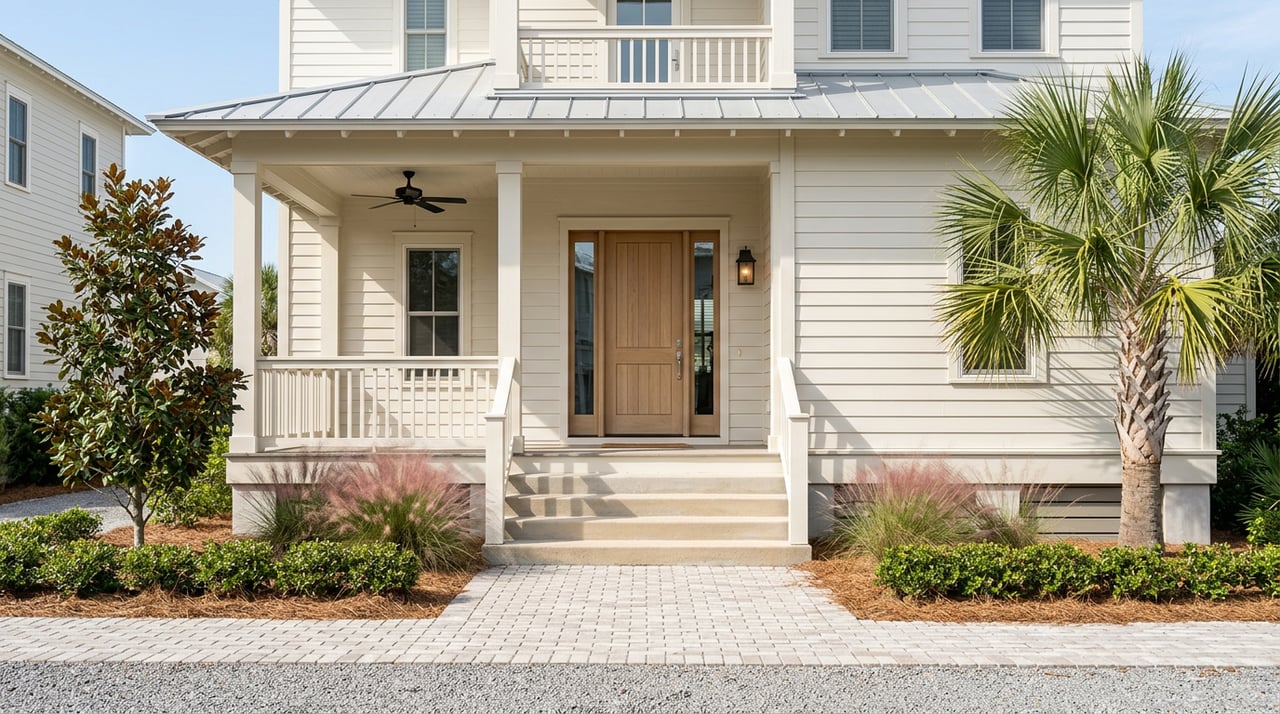
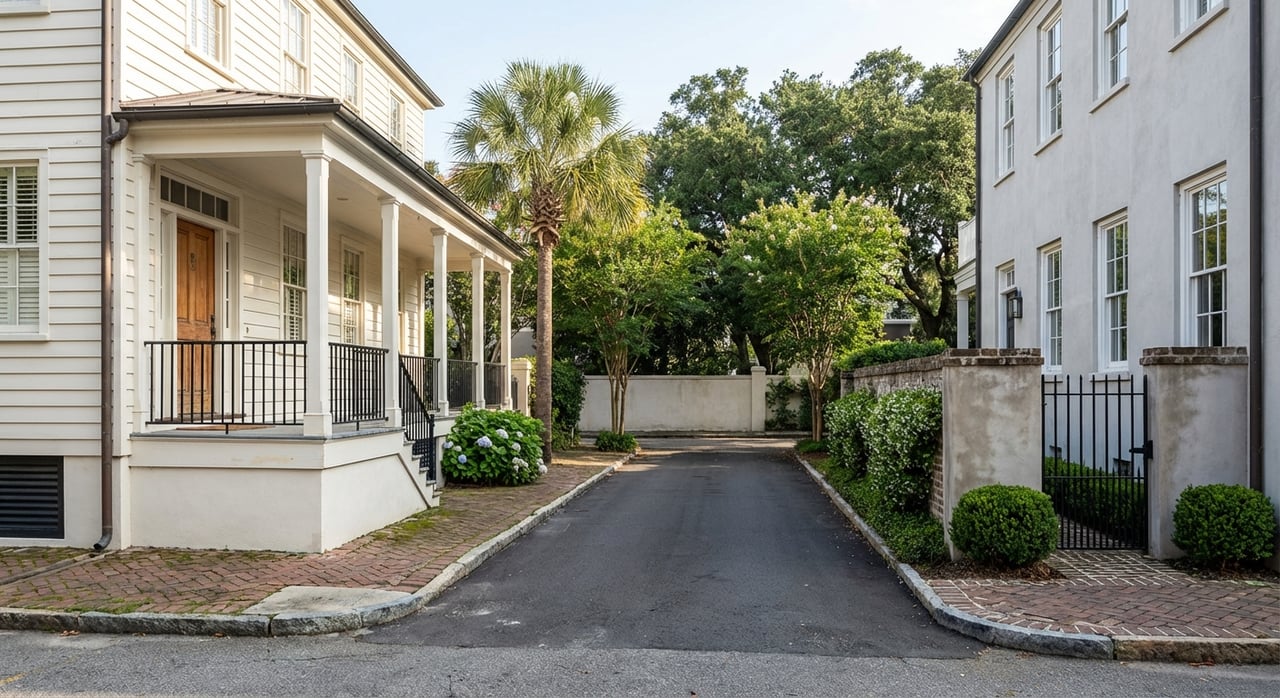
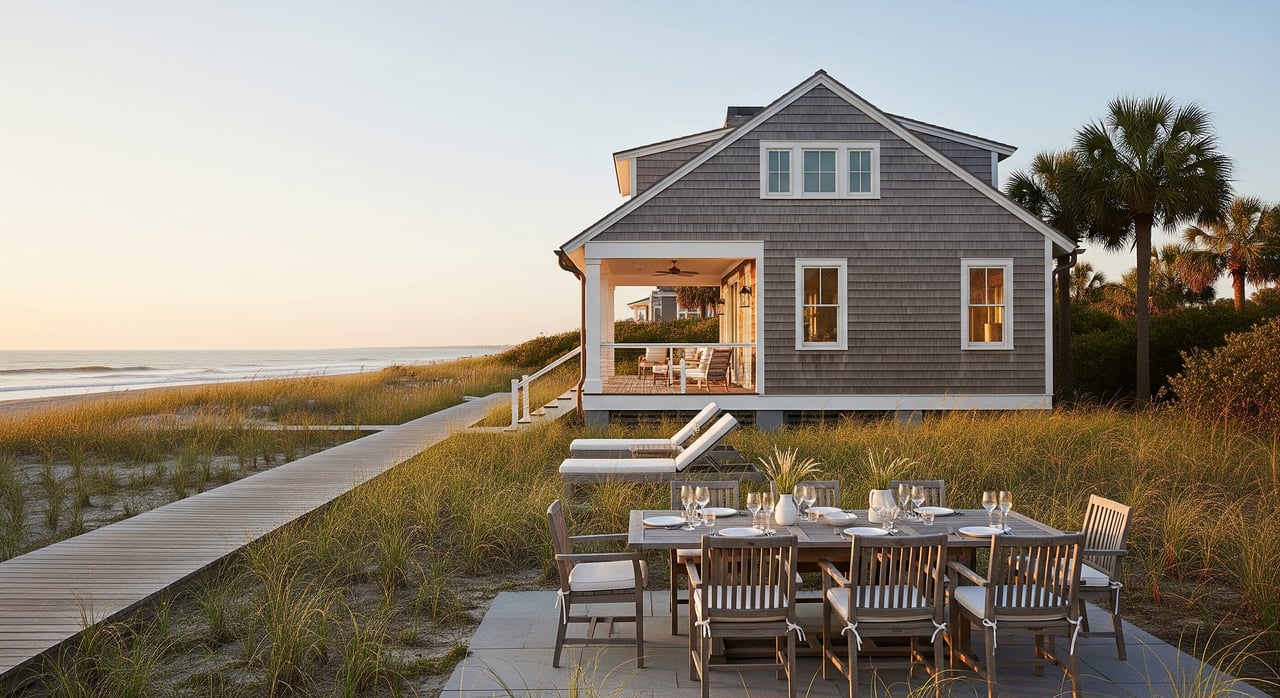
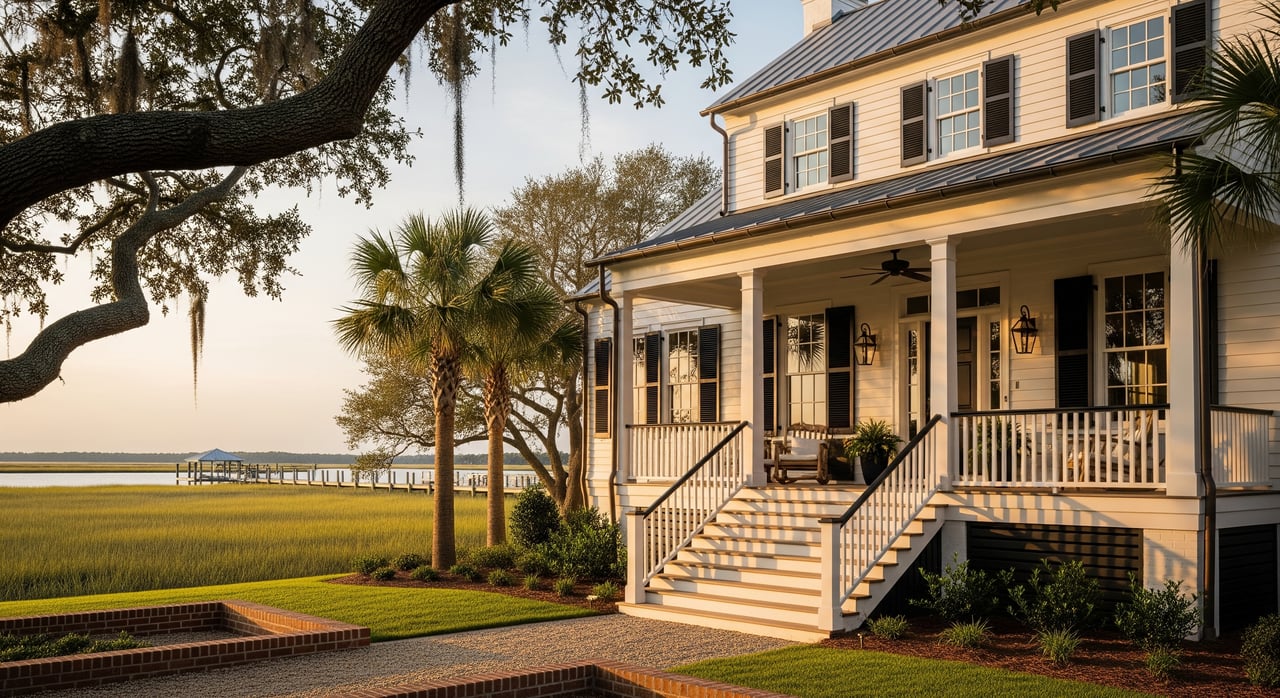
If you love the look of Charleston’s grand porches and historic brickwork, you’re not alone. Buying in Downtown Charleston feels different because a home’s style shapes how you live day to day, from light and airflow to porch life and maintenance. This guide breaks down the five hallmark house types you’ll see downtown, how they live, what to watch for in photos and inspections, and which permits may apply. Let’s dive in.
Downtown styles at a glance
Single House
Era and context: Eighteenth to nineteenth century, created for narrow city lots. Very common across the Historic District.
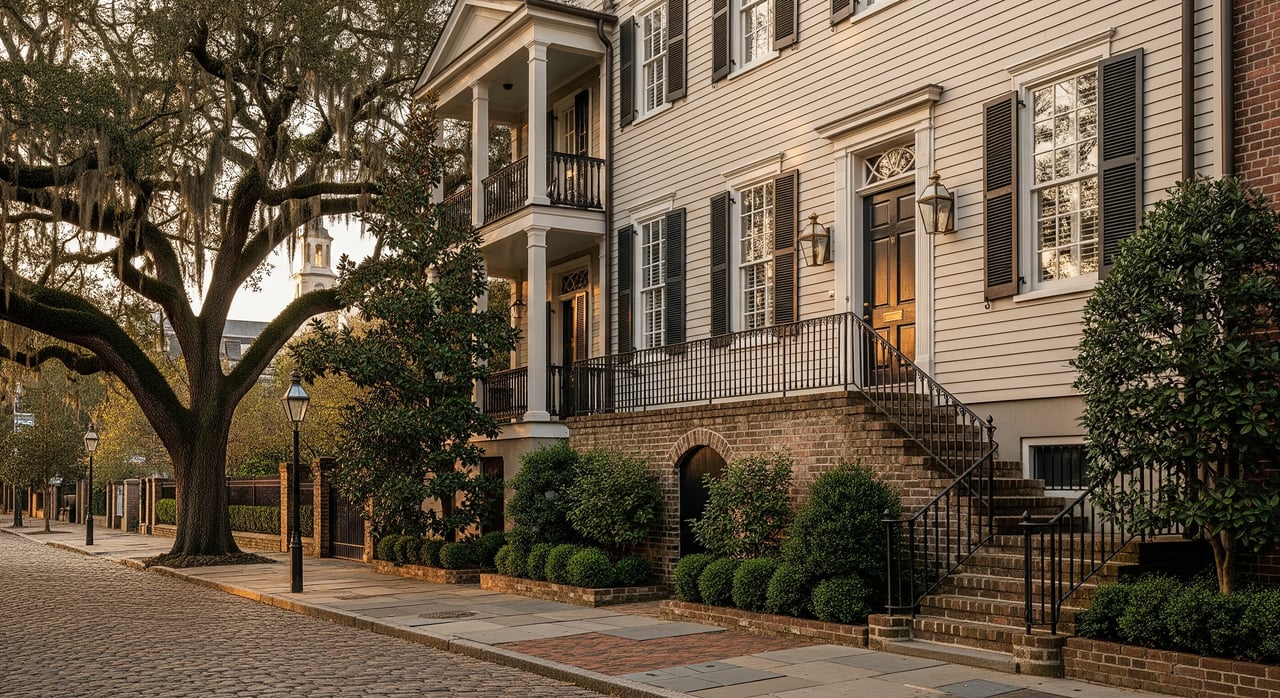
How it looks: A narrow street front and a long side elevation. Stacked side porches called piazzas, tall windows with shutters, and a raised foundation or stoop.
How it lives: Rooms are typically one room deep with doors opening directly to the piazza. Light and breezes move through from the street side and the porch side, giving you great cross‑ventilation. The feel is vertical and airy when you use the piazza as real living space.
Porch life: The piazza is your main outdoor room. Orientation matters for sun and breezes, so note which way the porches face.
Maintenance watchlist: Wood siding and porch structure, older sash windows and shutters, moisture at piers and crawl spaces, and termite exposure. Enclosing a piazza or changing its profile usually requires Historic District approval.
Buyer takeaway: You get iconic Charleston living with serious porch time. Parking is often behind the house, sometimes with a carriage house.
Double House
Era and context: Also historic and common. Two rooms wide with a central hall, often reflecting Georgian influences.
How it looks: Symmetrical façade with a centered entry. You may see full‑width front porches or balconies.
How it lives: The center hall divides rooms left and right. Light enters from the front and rear façades; the hall can be darker unless transoms or skylights help.
Porch life: Porches are more formal than side piazzas and often face the street.
Maintenance watchlist: Historic windows and woodwork plus more complex rooflines and larger chimneys. Masonry stoops and front steps can need repair.
Buyer takeaway: Great if you want formal, balanced rooms and a traditional center‑hall flow for entertaining.
Federal
Era and context: Late eighteenth to early nineteenth century. Elegant, restrained classical details.
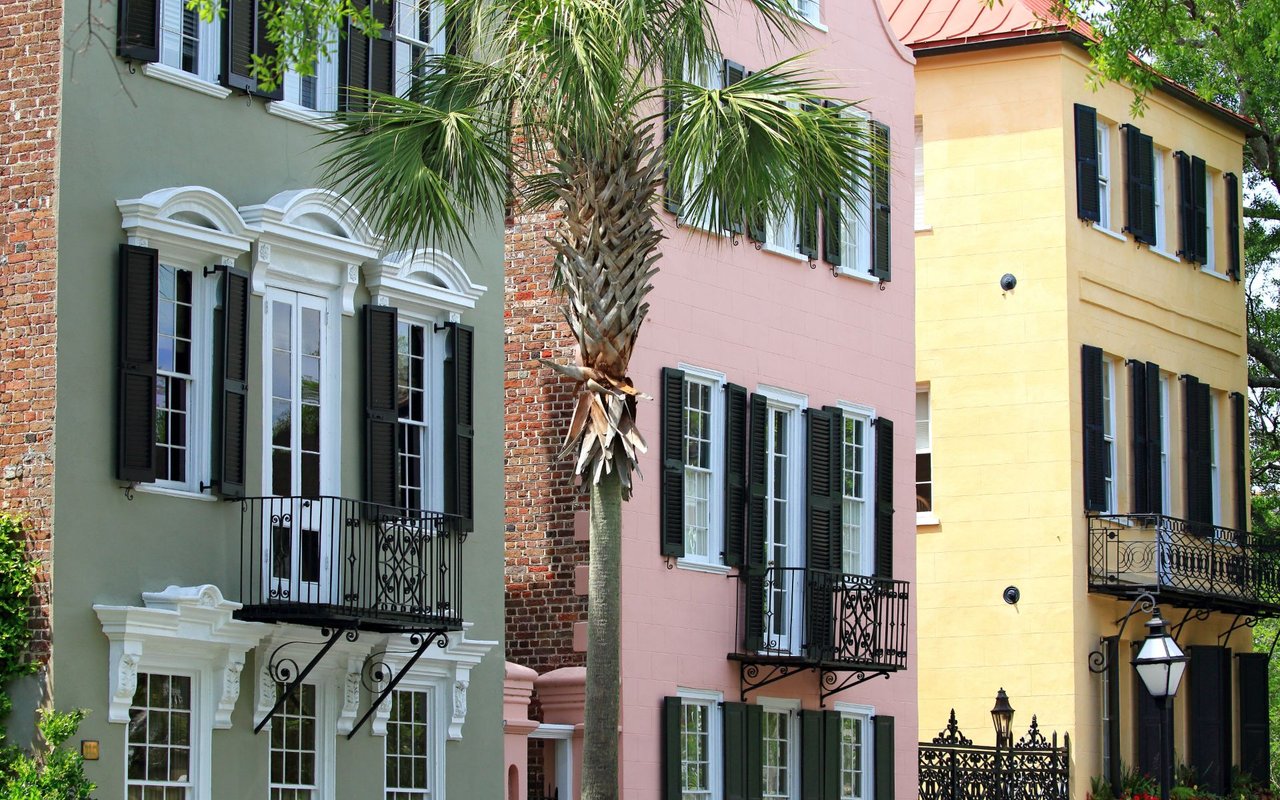
How it looks: Brick or stucco façades, low‑pitched roofs, delicate fanlights or elliptical transoms over doors, and slender moldings.
How it lives: Often a center‑hall plan with tall, narrow windows and higher ceilings. Some rooms can be deep because of urban lot patterns, but transoms bring light into halls.
Porch life: Smaller, more restrained porches or modest porticos.
Maintenance watchlist: Masonry repointing, historic plaster care, and careful preservation of fanlights and transoms. System updates should protect historic fabric.
Buyer takeaway: Ideal if you love refined details and formal, vertically proportioned rooms.
Greek Revival
Era and context: Early to mid‑nineteenth century. Classical motifs on both houses and public buildings.
How it looks: Strong columns or pilasters, bold door surrounds, pediments, and heavy cornices. Wood or stucco often imitates stone.
How it lives: Works on both single and double house plans. Expect high ceilings, larger windows, and a grand entry sequence.
Porch life: Prominent porches or porticos with classical columns. Single‑house variants may have Greek Revival detailing on side piazzas.
Maintenance watchlist: Structural integrity of large columns and porch roofs, paint and rot prevention on big wood elements, and care around heavy entablatures.
Buyer takeaway: You get a dramatic street presence and classical character. Look for strong porch structure and original woodwork.
Craftsman
Era and context: Early twentieth century. Found in downtown infill and nearby historic neighborhoods.
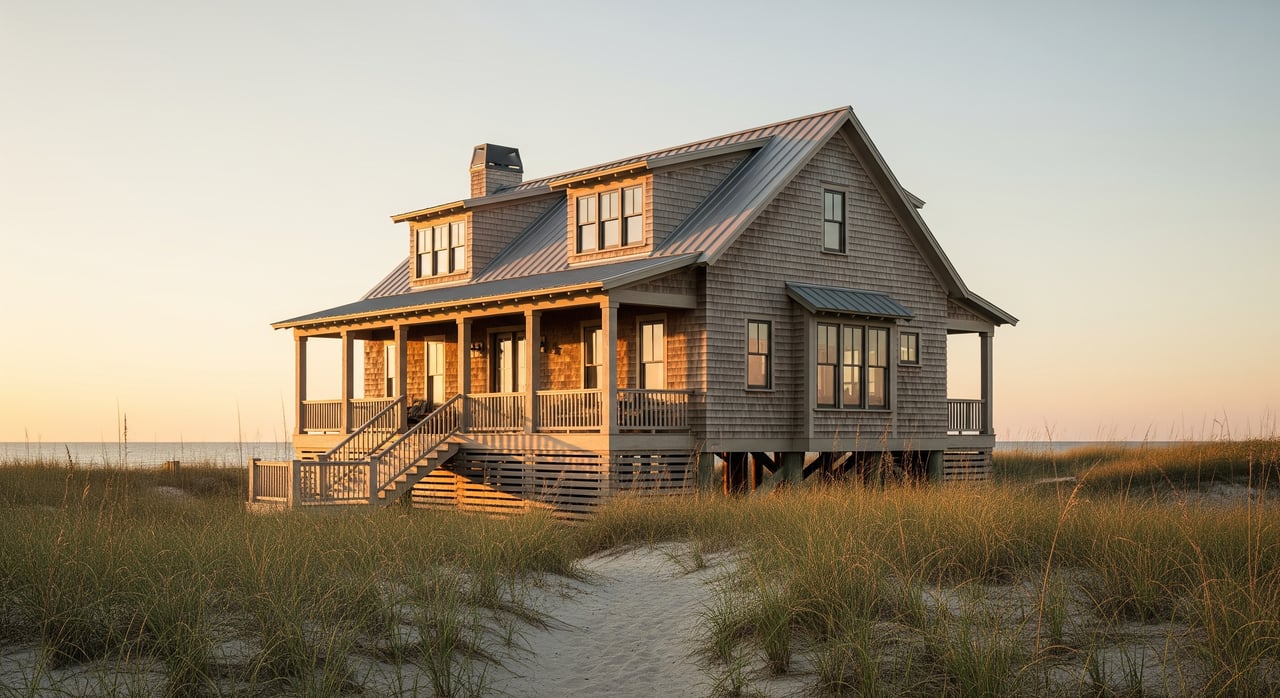
How it looks: Low‑pitched gables, wide eaves with exposed rafter tails, tapered porch columns on piers, and shingle or wood siding.
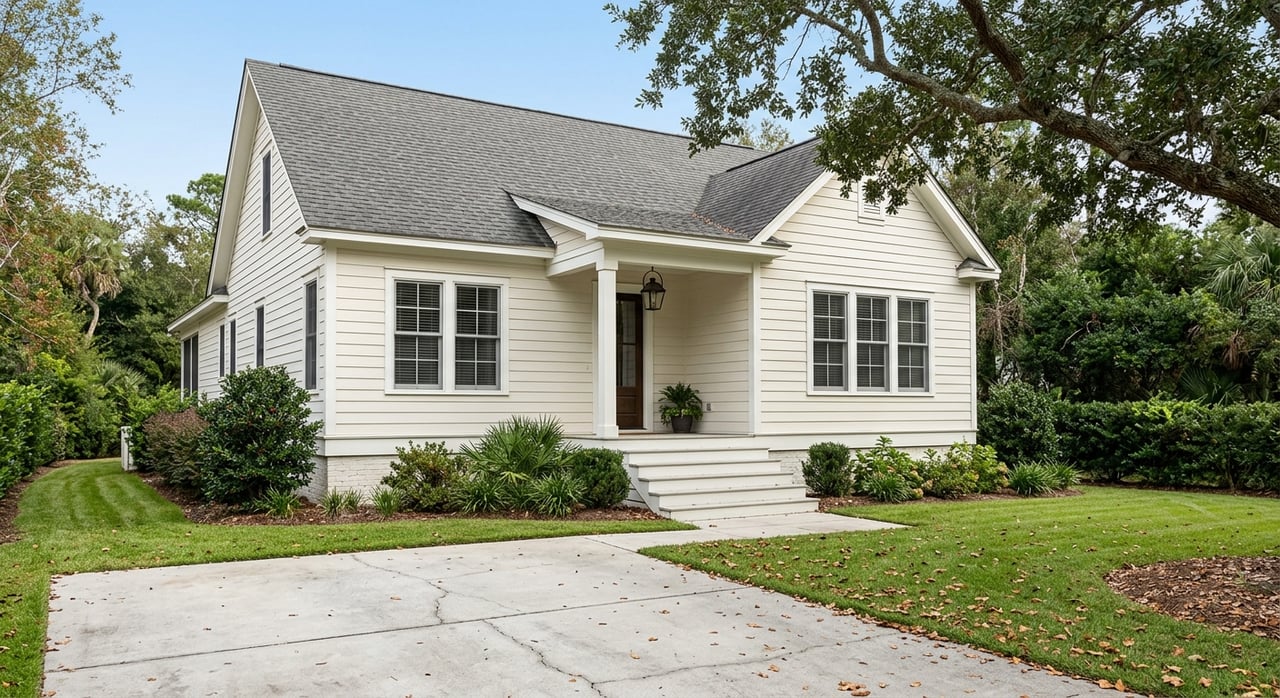
How it lives: One or one‑and‑a‑half stories with efficient layouts. Windows are placed for living‑area light rather than tall formal openings.
Porch life: Full‑width front porches are part of the home’s silhouette and daily flow.
Maintenance watchlist: Exposed wood at eaves and rafters, porch floors and supports, and original windows and hardware.
Buyer takeaway: A great fit if you want single‑level living, cozy proportions, and an integrated front porch.
Light, airflow, and porches
- Single houses excel at cross‑breezes and porch living because rooms open to stacked piazzas. Note the porch orientation for sun and prevailing breezes.
- Double and Federal homes rely on tall windows, transoms, and front‑back exposure. Check the center hall for daylight sources.
- Greek Revival porches can feel grand and shaded. Make sure columns and porch roofs are structurally sound.
- Craftsman porches function like an outdoor living room with easy front‑yard connection.
Listing terms decoded
- Piazza: Side porch, often multi‑story, and a true outdoor living room.
- Single house: Narrow street front, long side elevation, and side piazzas.
- Double house: Two rooms wide with a center hall and a wider façade.
- Parlor: A formal front room, often facing the street or piazza.
- Carriage house or carriage lane: Rear outbuilding or lane access that may include parking or a separate dwelling. Verify its legal status.
- Raised foundation or high basement: Elevation on piers or a raised basement for airflow and flood resilience.
- Transom or fanlight: Window above a door that brings light into the hall.
- Ell: An extension off the main block, often for kitchens or service areas.
Photo checklist for tours
- Front façade and full street elevation to capture symmetry, materials, and roofline.
- Side elevation with the piazza on all floors, including how rooms open to it.
- Entry details: door, threshold, transom or fanlight to document historic fabric.
- Porch structure underside, joists, column bases, and connections to the house.
- Foundation and under‑house ventilation, looking for moisture or rot.
- Roof, flashing, gutters, and chimneys for wear or corrosion.
- Windows and sash detail, noting panes, muntins, and hardware.
- Interior stair hall light sources and original millwork.
- Parlor and main living spaces, plus ceiling heights and light quality.
- Backyard, carriage house, alley access, and any parking.
- Any visible moisture, mold, termite damage, or patchwork repairs.
Inspections and contingencies
- Structural inspection focused on porches, joists, and raised foundations.
- Termite and pest inspection due to humidity and older wood framing.
- Moisture and mold inspection, especially in basements, crawl spaces, and enclosed porches.
- Roofing, flashing, and gutter assessment. Coastal weather accelerates wear.
- Historic materials and permits: confirm if past work had approvals and whether planned changes need review.
- Flood risk and insurance: review elevation certificates, flood history, and insurance options.
- Systems modernization: plan budgets for electrical, plumbing, and HVAC upgrades.
- Zoning and use: verify rules for accessory structures, parking, and short‑term rentals.
BAR, permits, and rules
- Downtown Charleston’s Historic District uses the City’s Board of Architectural Review. Exterior changes, additions, roof material changes, porch enclosures, and demolition commonly require approval.
- Paint colors, shutters, windows, and materials may be reviewed. Preserving original fabric is encouraged.
- If you plan a major rehabilitation, explore potential incentives or tax credits that may be available for certified work.
- Short‑term rental rules can be restrictive and change. Always verify the latest city regulations before assuming rental income.
Cost drivers to budget
- Porches and piazzas: Rot at joists, deck boards, and column bases is common. Restoration needs skilled carpentry and access under the porch.
- Foundations and ventilation: Brick piers and crawl spaces need moisture control, pest proofing, and sometimes joist repair.
- Roofs and flashing: Standing seam metal roofs may need re‑fastening and new flashing. Gutters and downspouts must handle heavy rain.
- Windows and doors: Original sash and transoms usually benefit from repair, glazing, and weatherstripping instead of full replacement.
- Masonry and stucco: Repointing and lime‑based repairs require craftspeople familiar with historic materials.
- HVAC and insulation: Routing ductwork in narrow vertical plans can be challenging. Outdoor units need thoughtful placement on tight lots.
- Salt air and corrosion: Choose materials and hardware that hold up in a coastal environment.
Which style fits you
- You want a side porch as a real living room with great breezes: Single House.
- You want formal, symmetrical rooms and a center hall for entertaining: Double House.
- You love bold columns, pediments, and a dramatic front porch: Greek Revival.
- You prefer restrained classical details with fanlights and brick or stucco: Federal.
- You want single‑level living and a cozy, integrated front porch: Craftsman.
Touring tips by style
- Single House: Ask about piazza age and condition, hurricane shutters, and whether any porches were enclosed. Confirm where HVAC condensers and utilities sit on the side lot.
- Double House: Check daylight in the center hall, the condition of transoms, and roof intersections around chimneys.
- Greek Revival or Federal: Review any preservation records and approvals for exterior changes. Plan for specialist care of masonry and historic trim.
- Craftsman: Look closely at porch foundations and exposed rafter tails for repair history.
- All styles: Secure structural, termite, and moisture inspections, and confirm flood zone, elevation, and insurance implications.
Your next step
Buying a historic Charleston home is as much about lifestyle as it is about layout and permits. When you understand how each house type handles light, airflow, porches, and maintenance, you can focus on homes that fit how you want to live. If you’d like expert guidance on matching your wish list to the right downtown style and navigating inspections, approvals, and negotiations, connect with Nicole Lemieux for a tailored, concierge experience.
FAQs
What is a Charleston single house?
- A narrow street‑front home with stacked side porches called piazzas, designed for cross‑breezes and porch living on tight urban lots.
Are enclosed piazzas allowed in the Historic District?
- Many exterior changes, including enclosing a piazza, typically require Board of Architectural Review approval, so verify what is permitted before planning.
How does flood risk affect downtown buyers?
- Many historic homes sit on raised foundations; review elevation certificates, flood history, and insurance options to understand costs and resilience.
What inspections are essential for older Downtown homes?
- Prioritize structural, termite, and moisture inspections, plus careful checks of porches, foundations, roofs, gutters, and historic windows and doors.
What is the difference between Federal and Greek Revival styles?
- Federal is earlier and more restrained with fanlights and delicate moldings, while Greek Revival features bold columns, heavy cornices, and dramatic entries.
Can I rent my Downtown Charleston home short‑term?
- Short‑term rental rules can be restrictive and change over time, so always verify current city regulations and any overlay districts for your address.