Leave a Message

Thank you for your message. We will be in touch with you shortly.

Coastal Home Insurance Basics In SC: Sullivan's Island

January 1, 2026

Buying a home on Sullivan’s Island is exciting, but coastal insurance can feel complicated. Between flood maps, wind deductibles, and elevation requirements, it is easy to miss a detail that affects your coverage and budget. You want protection that fits your home and your lifestyle without surprises at claim time. This guide gives you clear basics, local context, and practical steps tailored to Sullivan’s Island so you can move forward with confidence. Let’s dive in.

Why coastal risk matters on Sullivan’s Island

Sullivan’s Island sits on the Atlantic as a barrier island, so storm surge and coastal flooding are primary risks. Many properties fall within FEMA Special Flood Hazard Areas, which can trigger lender flood insurance requirements. You can verify a specific address using the FEMA Map Service Center by searching current Flood Insurance Rate Map panels for the island. Check your exact flood zone and base flood elevation before you quote coverage.

Wind is another major factor. Barrier islands have open exposure to hurricane and straight-line winds that can damage roofs, windows, and exterior systems. Long-term sea level rise also increases flood frequency over time, which can influence both premiums and future insurability. For context on rising water and shoreline change, explore NOAA’s Sea Level Rise Viewer and regional hurricane resources from the National Hurricane Center.

Helpful resources:

What policies you may need

Standard homeowners coverage

A typical homeowners policy protects the dwelling, other structures, personal property, liability, and additional living expenses. The dwelling limit should reflect replacement cost to rebuild to local code on the island. Elevated foundations and coastal construction often increase rebuild costs, so confirm that your limit and policy type fit the home. The Insurance Information Institute offers a helpful overview of homeowner coverages.

Flood insurance is separate

Flood is not covered under a standard homeowners policy. You will need a separate flood policy from the National Flood Insurance Program or a private flood insurer. NFIP policies have specific limits and definitions, and pricing is strongly influenced by your Elevation Certificate and finished floor elevation. Private flood policies may offer higher limits and different terms for higher-value homes.

Wind and named-storm coverage

Many coastal homeowner policies include wind and hail, but they often use a separate wind or named-storm deductible. Some homes may need wind coverage written on a separate form depending on the insurer and location on the island. Review your declarations page to confirm if wind is included and which deductibles apply.

Condos and rentals

For condos, an HO-6 policy typically covers interior finishes and personal property, while the association’s master policy covers common elements. Confirm whether the master policy is bare walls, walls-in, or all-in. If you rent your home as a vacation or short-term rental, you may need a specialized rental or landlord policy because business use is often excluded from standard homeowners coverage.

Renovations and rebuilds

If you plan a renovation or rebuild after a loss, builder’s risk or course-of-construction coverage may be required. Your contractor should carry liability coverage, and island permitting rules can affect costs and code requirements. These details matter for both underwriting and your long-term protection.

Deductibles and costs explained

How hurricane and wind deductibles work

Coastal policies often include a separate percentage deductible for hurricanes, named storms, or wind and hail. This deductible is expressed as a percentage of your dwelling coverage limit. For example, on a $1,000,000 dwelling limit, a 2 percent named-storm deductible equals $20,000 out-of-pocket for a qualifying storm. Choosing a higher deductible may lower your premium, but it raises your catastrophic exposure.

South Carolina rules and filings are overseen by the state regulator, and insurer offerings can change. The Insurance Information Institute explains how these deductibles work, and the South Carolina Department of Insurance publishes consumer guidance you can review.

What affects premiums on Sullivan’s Island

Several local factors shape your price and eligibility:

  • Flood zone and elevation. VE and AE zones usually carry higher flood risk. An Elevation Certificate that shows finished floor elevation above base flood elevation can materially reduce NFIP premiums.
  • Roof age and wind resistance. Newer roofs, hip roof designs, and rated roof coverings can earn credits. Impact windows, storm shutters, and roof-to-wall tie downs also help.
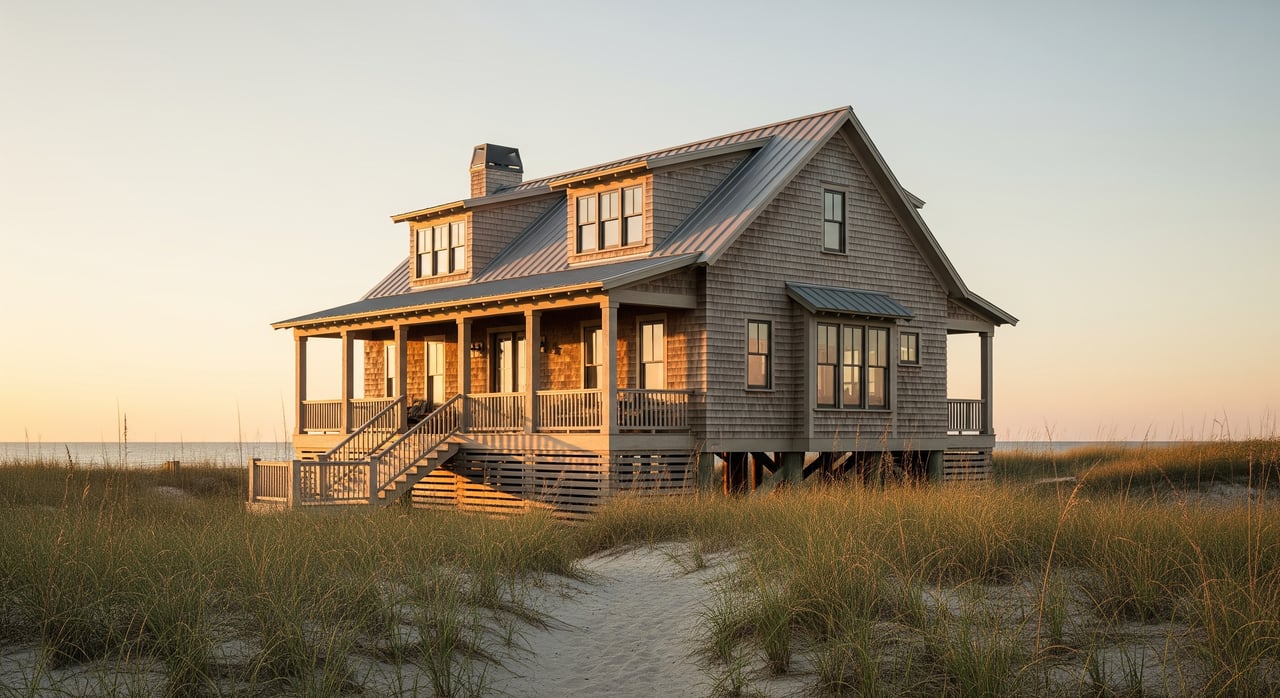
  • Construction and elevation. Elevated pile or pier foundations, flood vents, and elevated utilities reduce flood exposure and can support better pricing.
  • Prior claims. Multiple recent property claims can raise premiums or limit options.

Community-wide flood discounts

Some communities receive flood insurance premium discounts through the NFIP Community Rating System when they invest in mitigation and public education. Ask whether current CRS discounts apply to your address and policy, and verify details when you quote. FloodSmart is a reliable starting point to understand how NFIP policies are rated and discounted.

Underwriting and inspections: what to expect

Documents insurers often request

  • Elevation Certificate that confirms finished floor elevation.
  • Roof inspection or certification, plus roof age and material details.
  • Photos and a three to five year loss history for the property.
  • Proof of mitigation features such as shutters, impact glazing, roof straps, and flood vents.
  • Permit records for coastal work like seawalls, dune projects, or major renovations.

Red flags that slow or block coverage

  • Unresolved water, mold, or structural issues from prior wind or flood events.
  • Repeated water-in-basement or crawlspace claims.
  • Non-permitted or non-code-compliant repairs after past losses.
  • Utilities or equipment below the base flood elevation without floodproofing.

Quick buyer checklist before you write an offer

  • Confirm the flood zone and obtain a recent Elevation Certificate.
  • Verify roof age and condition, and request a roof certification if available.
  • Document mitigation features like impact windows, shutters, flood vents, and roof tie-downs.
  • Ask for the seller’s prior insurance loss history.
  • Review permits and code compliance for any major work.

Practical takeaways for island owners

  • Read your declarations page carefully for which deductibles apply and whether they are percentage based or fixed dollar.
  • Consider mitigation that reduces risk and may lower premium, such as impact glazing, roof improvements, flood vents, and elevating utilities.
  • For rentals or short-term rentals, confirm whether your policy covers business use. Many owners need a separate form or endorsement.
  • Compare NFIP and private flood options to match your coverage limits and budget.

Glossary: plain-English definitions

  • All-perils policy: Covers losses from all causes except those listed as exclusions.
  • ALE (Additional Living Expenses): Pays for temporary housing and extra costs if your home is uninhabitable after a covered loss.
  • BFE (Base Flood Elevation): The expected water surface elevation during a 1 percent annual chance flood.
  • Declarations page: The policy summary that lists coverages, limits, and deductibles.
  • Elevation Certificate: An engineering document that shows your structure’s elevation relative to the BFE and is used to rate flood policies.
  • Floodplain or SFHA: Special Flood Hazard Area designated by FEMA, such as AE or VE zones.
  • ICC (Increased Cost of Compliance): NFIP coverage that helps pay for elevation, floodproofing, or demolition required by current codes after a flood loss.
  • Named-storm or hurricane deductible: A deductible that applies only when a named storm or hurricane causes the loss.
  • NFIP: The National Flood Insurance Program managed by FEMA.
  • Replacement cost vs ACV: Replacement cost pays what it costs to rebuild today, while ACV deducts for depreciation.
  • Windstorm or wind-and-hail deductible: A separate deductible that applies to wind or hail losses.

Smart questions to ask your insurer

  • Is wind and hurricane damage included in my homeowners policy or written separately, and who provides it?
  • What deductibles apply for wind, named storms, and flood? Are any percentage based? Please show examples using my dwelling limit.
  • Do you need an Elevation Certificate to quote flood insurance, and how does my finished floor elevation compare to the base flood elevation for pricing?
  • How do prior water, termite, wind, or flood claims at this address affect eligibility and premiums?
  • Which mitigation features qualify for credits, such as impact windows, shutters, or roof straps, and what standards must they meet?
  • If I rent short term, is that covered under my current policy or do I need a different form? What endorsements are required?
  • Will code upgrade costs be covered if I have to rebuild? Do I have ordinance and law or ICC coverage where applicable?
  • How are seawall, dune, or erosion-related damages handled when they are gradual versus sudden?
  • Can you provide a side-by-side quote for NFIP and private flood, including limits, waiting periods, and exclusions?

Next steps for buyers and owners

You do not have to be an insurance expert to make a smart decision. Start by confirming your flood zone on the FEMA map, gather your roof and elevation documentation, and ask your insurer to walk you through wind and named-storm deductibles in plain terms. With the right documents and questions, you can tailor coverage to your Sullivan’s Island home and avoid costly surprises.

If you would like local guidance on how insurance considerations affect price, inspections, and your overall plan to buy or sell, reach out to Nicole Lemieux. We will help you prepare, connect you with trusted resources, and align your real estate strategy with the right protection. Request a Free Home Valuation & Consultation.
FAQs

What flood insurance do Sullivan’s Island homeowners need?

  • Flood is not included in standard homeowners coverage, so most island owners need a separate NFIP or private flood policy based on their FEMA flood zone and elevation.

How do named-storm deductibles work in South Carolina?

  • They are often percentage based and apply only during a named storm or hurricane, which can mean a large out-of-pocket amount for higher-value homes.

Do Elevation Certificates lower flood premiums on Sullivan’s Island?

  • Yes, Elevation Certificates that show finished floor elevation above base flood elevation can materially reduce NFIP premiums.

Are short-term rentals covered by a standard homeowners policy?

  • Often not; many policies exclude business use, so you may need a separate rental or landlord policy or specific endorsements.

What inspections should I get before buying on the island?

  • Verify roof age and condition, obtain an Elevation Certificate, document mitigation features, and request the seller’s prior loss history to support accurate quotes.

Where can I verify my property’s flood zone?

Your Journey to the Perfect Home Starts Here

Whether you're looking for your first home, the perfect investment, or selling a property for top value, Nicole Lemieux is your ideal ally. With years of experience Nicole combines deep local market knowledge with a personalized approach to deliver outstanding results.