Cobblestone streets, church steeples, and water views pull you toward Downtown Charleston. The harder part is deciding which pocket of the peninsula actually fits your day-to-day life. You want charm, convenience, and confidence you’re making a smart investment. In this guide, you’ll learn how Downtown is laid out, what tradeoffs to weigh, and how each neighborhood feels on the ground so you can focus your search with purpose. Let’s dive in.
How the peninsula works
Downtown Charleston is the compact historic core between the Ashley and Cooper Rivers. Blocks can shift quickly from lively retail to quiet, leafy streets, and small differences in elevation or street character matter. If you are new to the area, it helps to picture the peninsula as a walkable spine with distinct pockets branching toward the rivers. For context, review a high-level overview of the city’s history and geography on Charleston’s Wikipedia page.
When it comes to price, medians vary widely by pocket. Recent snapshots put the broader Downtown median around $1.2 million as of late 2025, with South of Broad in the multi-million range and some northern pockets trending lower. Treat those numbers as a starting point, then confirm current comps for specific blocks before you write an offer.
What to weigh before you choose
Before you fall for a façade or a porch swing, get clear on your top two or three must-haves. The right pocket becomes obvious when you weigh these tradeoffs:
- Privacy and garden space vs. proximity to dining and nightlife
- Condo convenience vs. single-family autonomy and maintenance
- Elevation and flood risk vs. harbor views and waterfront access
- Historic preservation oversight vs. flexibility for renovations
- Parking certainty vs. walkability and transit access
Two practical realities shape almost every Downtown purchase:
- Preservation rules. Much of the peninsula sits inside historic districts, where exterior changes visible from the street are reviewed by the City’s Board of Architectural Review. If you plan to renovate, read the City of Charleston BAR guidance and maps so you understand timelines, materials, and approvals.
- Flooding and resilience. Tidal flooding and long-term sea-level rise are real considerations. Use the City’s Flooding and Sea Level Rise Strategy and Floodplain Mapping tools to check elevation, flood zones, and resources for due diligence.
Neighborhood-by-neighborhood guide
South of Broad
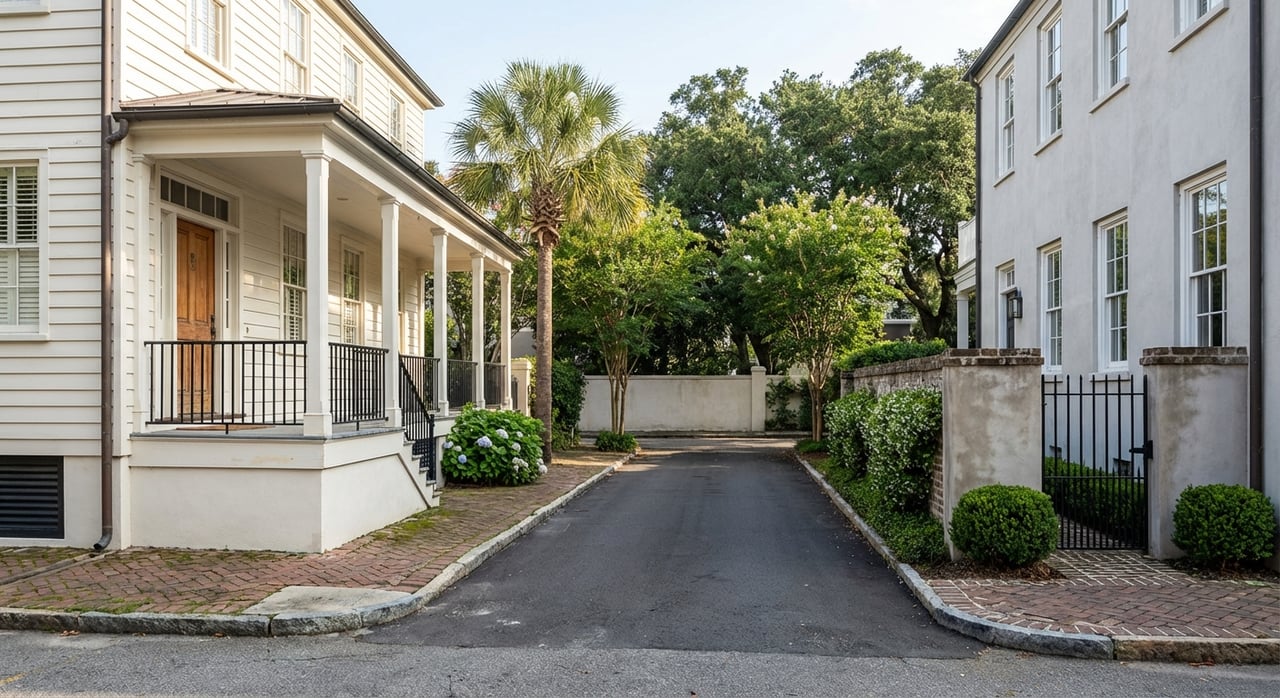
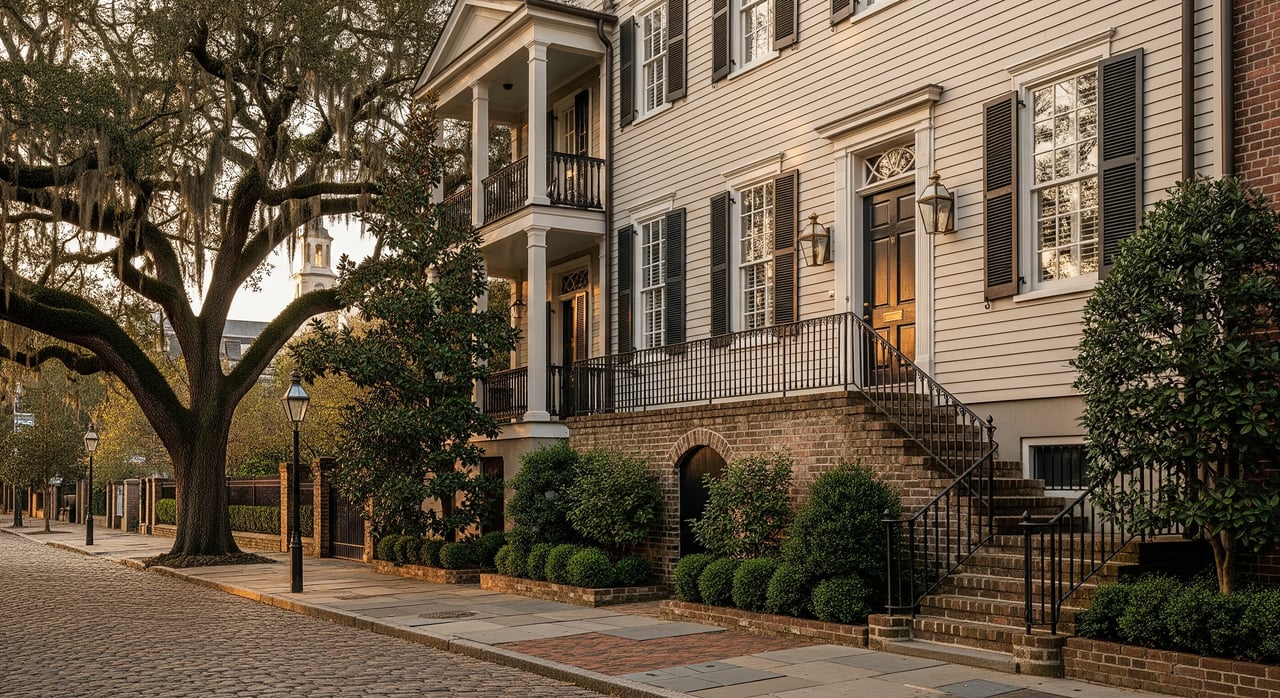
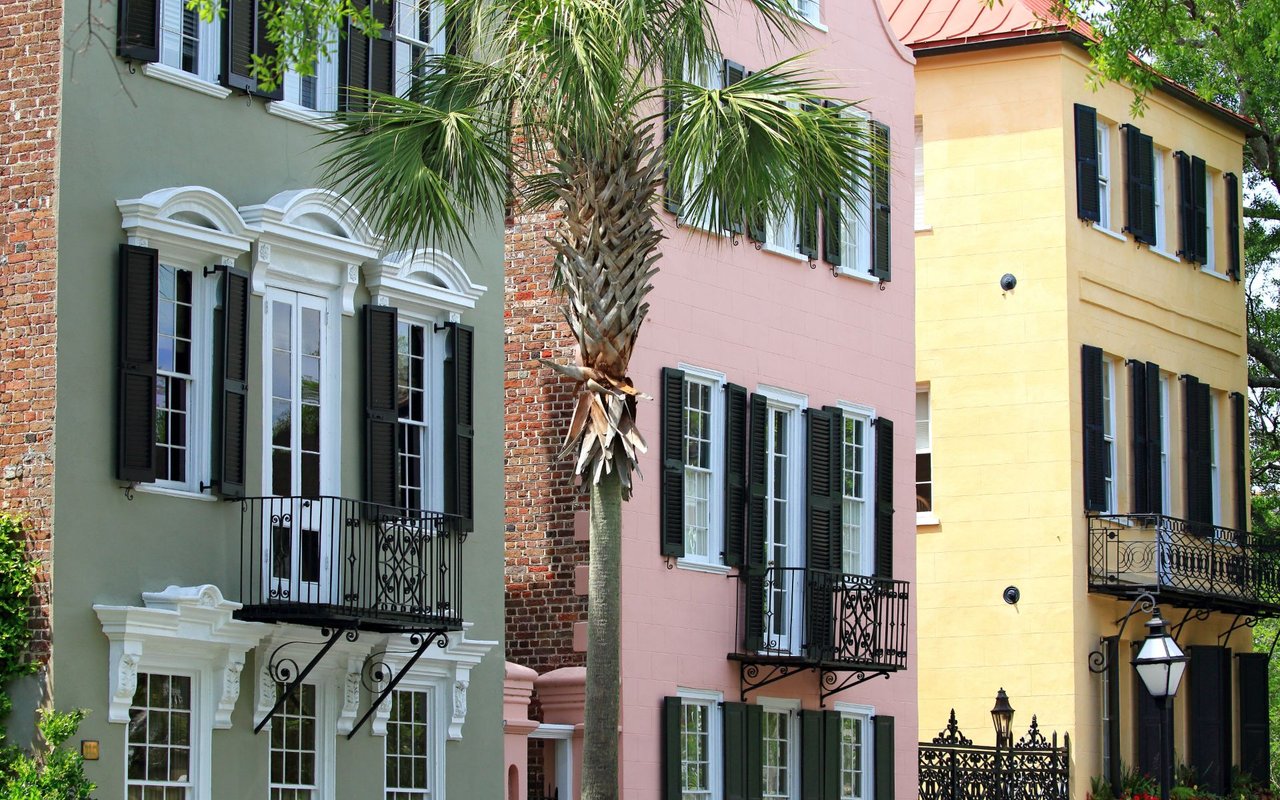
South of Broad is the postcard image of Charleston, anchored by the Battery and White Point Garden. Streets are narrow, shaded, and lined with grand historic homes, including classic Charleston single houses and notable landmarks like Rainbow Row. Daily retail is limited on interior streets, but you have quick access to Waterfront Park and museum houses that showcase the city’s architectural heritage.
- Housing: Predominantly single-family historic homes with occasional condos and carriage houses.
- Vibe: Quiet residential feel on most blocks with tourists on prominent sightlines near the Battery.
- Best for: Buyers prioritizing historic fabric, gardens, and prestige over nightlife and retail density.
French Quarter and Waterfront
This compact, highly touristed zone concentrates art galleries, inns, and restored warehouses along East Bay. Energy is high and visual, with easy access to Waterfront Park’s Pineapple Fountain and the City Market. If you love being in the cultural core, this is your stage.
- Housing: Low-maintenance condos and a limited number of townhomes, often with water views.
- Walkability: Steps to the Market, Dock Street Theatre, and many restaurants. Explore the City’s Waterfront Park photo gallery to get a feel for the setting.
- Best for: Buyers who want destination-style urban living and can embrace daytime foot traffic.
King Street and Upper King
King Street is Charleston’s main shopping and dining spine, with Upper King adding a design district and a strong restaurant scene. It is lively on weekends and active during the week, offering a true city lifestyle. The tradeoff is less privacy than strictly residential blocks.
- Housing: Condos and apartments above retail or in nearby side streets, plus some newer infill construction.
- Culture: Constant access to boutiques and notable dining. A helpful overview of the food scene is in Eater Carolina’s guide to Charleston.
- Best for: Buyers who prioritize daily walkability to shops, cafés, and nightlife.
Ansonborough and East Bay Harborfront
Close to the harbor and civic anchors, Ansonborough blends restored townhomes with condo buildings near East Bay. You are near the performing arts at the Gaillard Center and within an easy stroll of grocery options on select blocks. The streets feel historic yet convenient.
- Housing: Renovated brick townhomes, harborfront condos, and some newer infill.
- Culture: The Gaillard Center is a short walk for concerts and performances.
- Best for: Buyers who want harbor proximity and quick access to civic and cultural venues.
Harleston Village and Radcliffeborough
Anchored by Colonial Lake and near the College of Charleston, these areas feel residential and neighborly. Streets are walkable to parks, coffeeshops, and campus-adjacent amenities. Proximity to the medical district and the university makes everyday logistics simple for many professionals.
- Housing: Historic row houses, modest single-family homes, and small condo buildings.
- Green space: Colonial Lake and pocket parks provide welcome breathing room.
- Best for: Buyers who want a residential feel with easy access to green space and campus-area conveniences.
Cannonborough–Elliotborough and the Upper Peninsula
North of the core historic districts, these corridors have grown into lively, contemporary-feeling neighborhoods. You will find renovated historic rowhouses alongside newer townhomes and condos, plus a growing restaurant and bar scene. Price points are generally downtown-level but often lower than harborfront or Battery blocks.
- Housing: Mix of renovated historic homes and newer infill townhomes/condos.
- Lifestyle: Short walks to Upper King dining and quick access to main arteries for commuting.
- Best for: Buyers who want a fresh, energetic vibe and more new-construction options.
Wraggborough and the Museum Cluster
Centered near Marion Square, Wraggborough offers pleasant residential streets with quick access to museums and historic house tours. You are close to cultural anchors like the Charleston Museum and notable house museums. It reads as established and convenient.
- Housing: A range of historic homes and small multifamily options.
- Culture: Explore house museums through the Historic Charleston Foundation.
- Best for: Culture-minded buyers who value museum proximity and central access.
Practical steps before you tour
Use this checklist to narrow your list and avoid surprises:
- Review preservation requirements. If you anticipate exterior changes, read the City’s BAR guidance and district maps and ask whether any historic easements apply.
- Check flood risk early. Use the City’s Flooding and Sea Level Rise Strategy and Floodplain Mapping tools to confirm the property’s flood zone, elevation, and resources for requesting elevation certificates. Ask for recent flood history during due diligence.
- Clarify parking. Downtown life often mixes assigned spaces, garages, and permit parking. To reduce car dependence, review local transit options like the free DASH shuttle in this TripSavvy guide to Charleston transit.
- Decide on condo vs single-family. Condos simplify maintenance and often add HOA rules and fees. Single-family or carriage houses provide more autonomy but usually come with higher upfront costs in top historic blocks and added preservation oversight.
- Visit at different times. Walk the block morning, afternoon, and evening to understand street activity, sound, and light.
Quick matchmaker: your priorities, your pocket
- Prioritize historic privacy, gardens, and prestige: South of Broad.
- Prioritize galleries, culture, and water views: French Quarter and harborfront condos.
- Prioritize nightlife and weekday walkability: King Street and Cannonborough–Elliotborough.
- Prioritize parks and proximity to campus and the medical district: Harleston Village and Radcliffeborough.
- Prioritize value relative to downtown access: Cannonborough–Elliotborough and upper-peninsula infill.
Bringing it all together
Choosing where to live Downtown is about matching your daily rhythm to a few streets that feel like you. If you want leafy quiet and museum-quality architecture, focus south and east near the Battery and the harbor. If you want a buzzy, walkable lifestyle near dining and design shops, stay close to King Street and the growing upper-peninsula corridors. Wherever you land, plan for preservation guidelines, evaluate flood risk, and confirm parking so the charm you love also works for your routine.
When you are ready to zero in on the right pocket and see on-market options that fit your must-haves, reach out to Nicole Lemieux for a personalized Downtown search plan and expert guidance from offer to closing.
FAQs
What is considered “Downtown Charleston” on the peninsula?
- The peninsula is Charleston’s historic core between the Ashley and Cooper Rivers. It is compact and walkable, with distinct pockets that shift in character and elevation from block to block. For background, review Charleston’s overview on Wikipedia.
How much does it cost to buy a home in Downtown Charleston?
- Prices vary widely. Recent snapshots placed the broader Downtown median around $1.2 million as of late 2025, with South of Broad at multi-million price points and some northern areas lower. Always confirm current comps block by block before offering.
What is the Board of Architectural Review and why does it matter?
- The BAR reviews exterior changes visible from the street in historic districts. If you plan to renovate, read the City’s BAR guidance and maps so you understand permitted materials, timelines, and how applications work.
How can I check flood risk for a specific Downtown address?
Is parking difficult in historic Downtown neighborhoods?
- On-street parking is limited on many blocks. Plan for assigned spaces, garages, or city permits, and consider the free DASH shuttle and CARTA services highlighted in this Charleston transit explainer.
Should I buy a condo or a single-family home Downtown?
- Condos offer lower maintenance with HOA fees and rules. Single-family or carriage houses provide more autonomy and architectural charm, often with higher upfront costs in top historic areas and added preservation oversight. Decide which tradeoffs fit your lifestyle and budget.